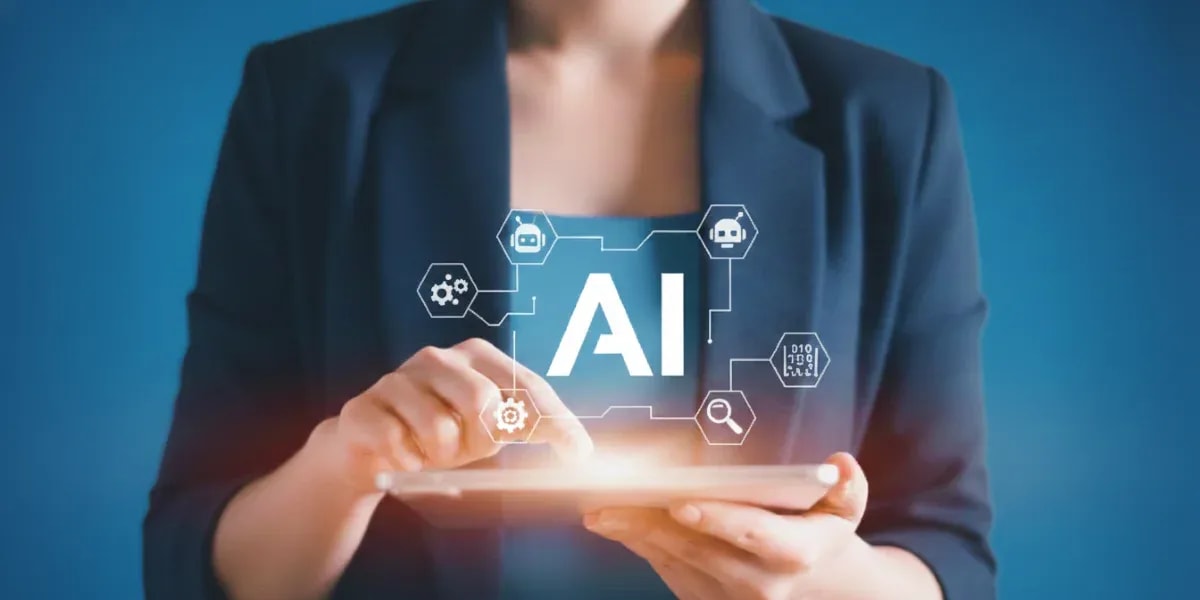
For Enterprise Systems and Workflows
Generative AI Integration Services
Connect generative AI to your enterprise systems through APIs, RAG, and agentic workflows that drive secure, scalable, and production-ready business transformation.
Connect generative AI to your enterprise systems through APIs, RAG, and agentic workflows that drive secure, scalable, and production-ready business transformation.

















Most generative AI integrations fail because they lack system connectivity, data grounding, security planning, workflow alignment, and scalable architecture for production.

Many AI projects fail because models are never connected to ERP, CRM, HRIS, databases, or operational systems where real business actions happen.

Without a structured integration architecture, APIs, tools, and workflows remain disconnected, causing broken automation, poor user experiences, and limited enterprise adoption.
When enterprise data is not connected through RAG or retrieval layers, AI produces inaccurate, generic, or hallucinated responses lacking business context.
AI integrations fail when privacy, access controls, governance, auditability, and compliance requirements are treated as secondary concerns instead of core architecture priorities.
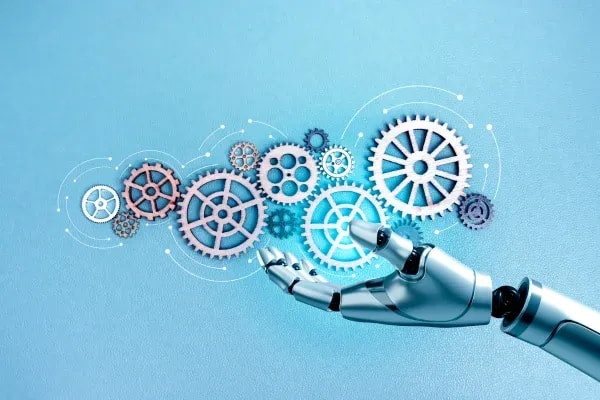
Integrates AI into core business systems, including ERP, CRM, and HRIS, with secure APIs and workflow automation, improving efficiency, decision-making, and seamless cross-department operations.

Implements retrieval-augmented AI using vector databases to deliver context-aware, knowledge-grounded responses, ensuring accurate, relevant insights from enterprise data across diverse applications and user interactions.

Develops autonomous multi-agent AI systems that coordinate workflows, make decisions, and use tools independently, enhancing operational efficiency, scalability, and reducing human intervention in complex processes.

Embeds AI features into SaaS products using API-first architecture, enabling scalable, multi-tenant systems that improve user experiences, automate tasks, and provide intelligent, context-aware functionalities.

Transforms legacy software by modernizing data pipelines, migrating to the cloud, and integrating AI capabilities, ensuring continued relevance, efficiency, and enhanced decision-making across enterprise applications.
Well-structured AI integration creates measurable business value in stages, starting with validation and growing into workflow efficiency and organization-wide transformation.
Early gains come from validating feasibility, use-case fit, system compatibility, and technical readiness before committing to production-scale AI integration investments.
Organizations begin reducing manual effort, improving response times, and streamlining repetitive internal tasks through workflow automation and connected AI capabilities.
At this stage, integrated AI moves into live business environments with stronger governance, broader usage, and measurable operational impact.

Long-term ROI appears as AI expands across departments, supports more workflows, and delivers sustained efficiency, productivity, and decision-making improvements.
Can be constrained by legacy systems, fragmented APIs, or poor internal data readiness
Connects AI with enterprise systems, workflows, and software to enable scalable, production-ready use cases.
Requires more budget, technical expertise, and continuous optimization after deployment
Refines model behavior using business data to improve relevance, tone, and task-specific accuracy.
Involves the highest complexity, longest timelines, and larger engineering commitment
Delivers fully tailored AI systems designed around unique workflows, products, and business goals.
Needs reliable content indexing, retrieval logic, and ongoing knowledge-base governance
Ground AI responses in enterprise content and live data to reduce hallucinations and improve trust.
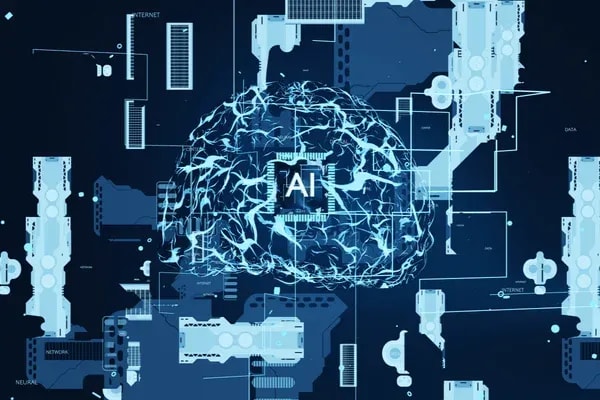
Generative AI integration unlocks practical enterprise use cases by embedding intelligence into products, knowledge systems, and automated workflows across industries.
Book a CallAdd intelligent copilots into SaaS products to support users with search, generation, recommendations, assistance, and task completion inside the platform.
Connect enterprise documents, knowledge bases, and internal data sources to deliver grounded search and accurate conversational answers.
Deploy coordinated AI agents that manage research, approvals, routing, and actions across multi-step enterprise workflows and departments.
We evaluate your goals, systems, data readiness, use cases, and constraints to define the right AI integration strategy.
We design integration architecture covering models, APIs, retrieval, workflows, governance, and deployment considerations for scalable execution.
We map applications, databases, APIs, user flows, permissions, and dependencies to create a reliable enterprise AI integration foundation.
We build and validate a focused prototype that proves technical feasibility, workflow fit, and measurable business value quickly.
We deploy the solution with security, monitoring, reliability, and operational controls required for enterprise-grade AI performance.
We optimize usage, improve outputs, track performance, and scale successful integrations across systems, teams, and business functions.
Responsible AI integration requires secure architecture, governed data handling, transparent system behavior, and compliance-aligned controls across every stage of deployment.
We implement secure APIs, authentication, access controls, and protected data flows across systems, tools, and AI services.

Sensitive business data is protected through privacy-aware design, permission controls, storage rules, and secure processing practices.

We enable traceability across prompts, responses, workflows, and system actions to support monitoring, review, and enterprise governance.

Compliance requirements are built into architecture decisions early to reduce risk and support regulated industry deployments.
May need system cleanup, API work, and process redesign before scaling effectively
Embeds AI into your current environment for faster adoption with less operational disruption.
Offers less flexibility and can create dependence on third-party platforms
Adopts prebuilt AI tools for common use cases with quicker rollout and lower upfront effort.
Demands more time, budget, and internal ownership across the full lifecycle
Creates custom AI solutions with maximum flexibility, control, and alignment to business needs.

We understand how to connect AI with enterprise platforms, data sources, workflows, and mission-critical systems without disrupting existing operations.

Our solutions are built for deployment, monitoring, reliability, performance, and long-term scale rather than limited proof-of-concept success alone.

We design flexible architectures that support different LLMs, tools, and vendors, reducing lock-in while improving adaptability and long-term control.

Our team connects AI with internal systems, external tools, and middleware layers through secure, scalable, and maintainable integration frameworks.

Folio3 partners with enterprises worldwide to build AI-driven solutions that solve complex challenges and deliver measurable results. From machine learning pipelines and cloud modernization to intelligent automation and custom software development, our teams help organizations move faster, reduce operational inefficiencies, and scale with confidence.
Turn disconnected AI experiments into secure, scalable business solutions with generative AI integration services designed for enterprise systems, workflows, and products.

Fill the form below or Contact us at +1 408 365-4638 / email us via contact@folio3.ai
of Experience In the AI Domain
Delivered Worldwide
Client Satisfaction
Founded
Response Guaranteed

+1 408 365-4638
contact@folio3.ai

6701 Koll Center Parkway, #250 Pleasanton, CA 94566